
Street art is a powerful form of expression, going beyond the walls of galleries and taking it directly to the streets, where it can be seen by thousands of people every day. One of the most popular techniques within urban art is «Paste-Up,» a form of collage where you paste your own work in public spaces. If you’ve ever wondered how artists create their pieces of art that decorate the streets, in this article, I’ll explain the steps to make a Paste-Up, the risks involved, and how to gain recognition through this technique
*What is «Paste-Up»?
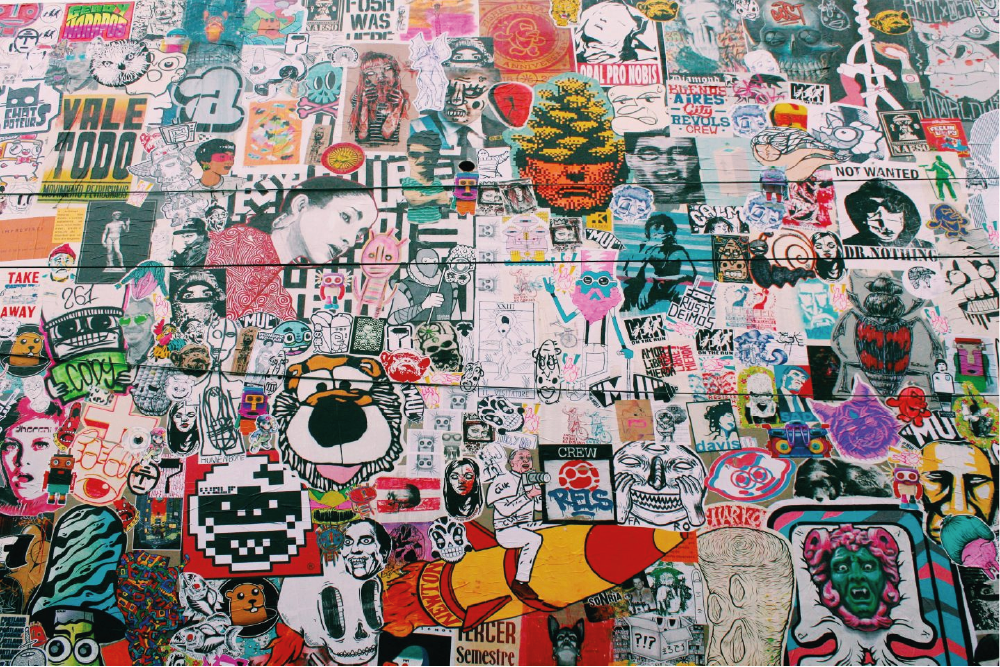
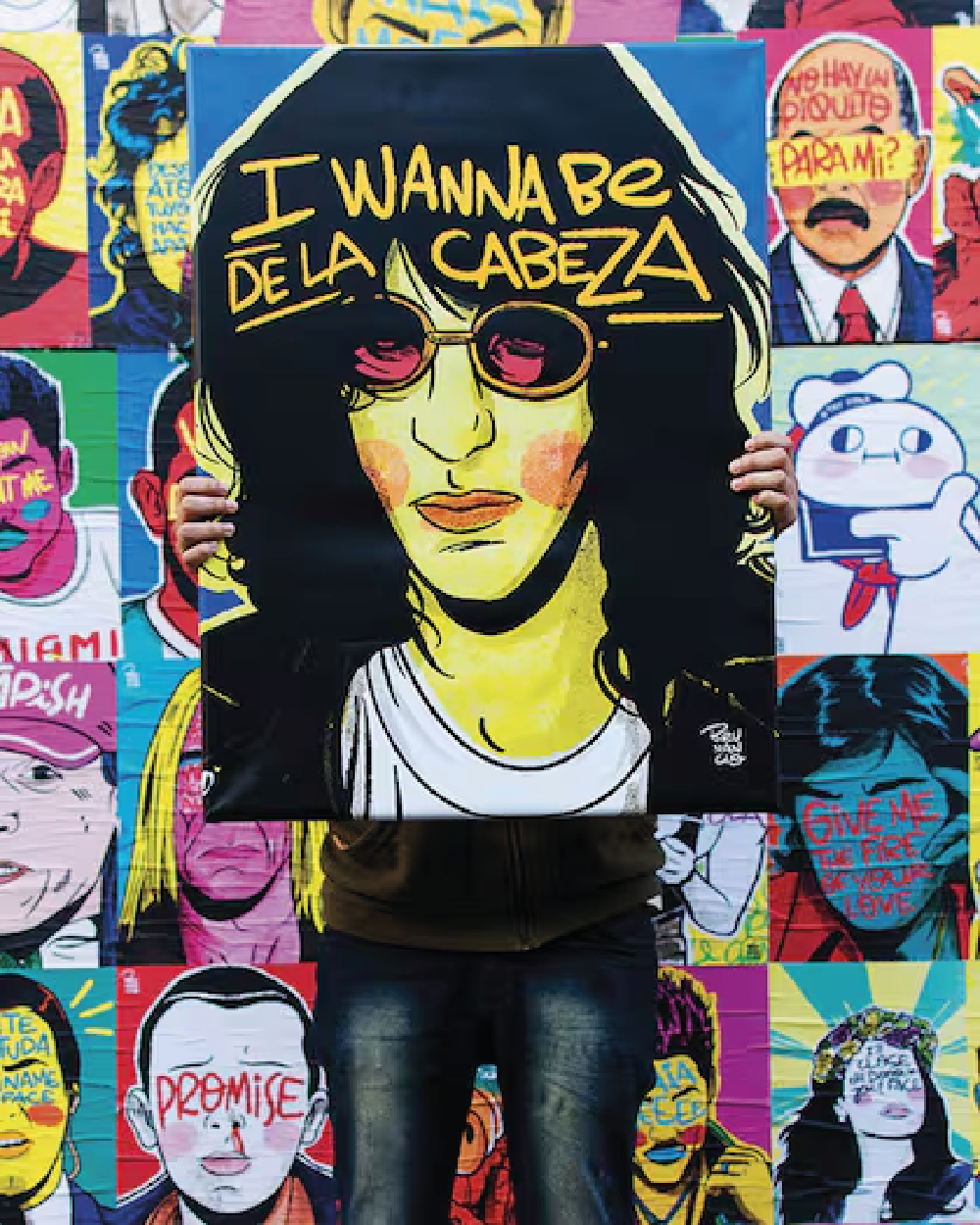
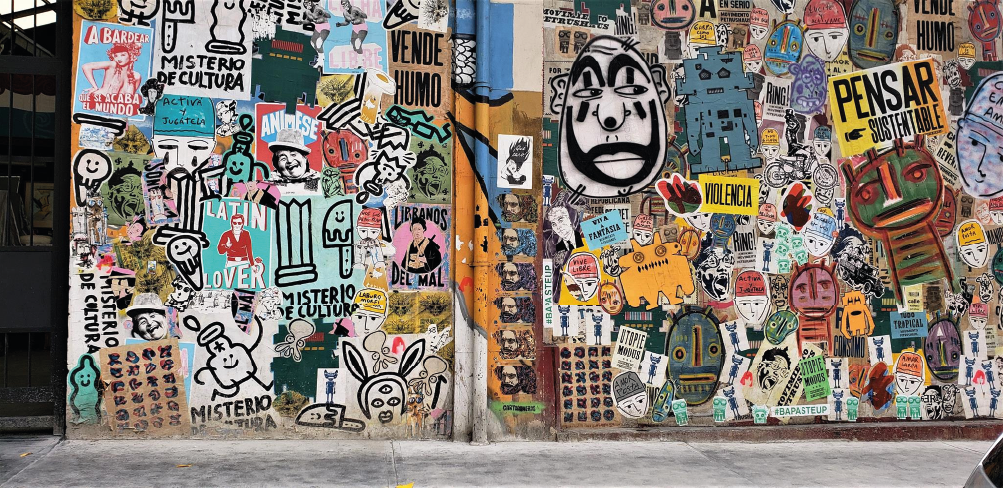
Paste-Up is a street art technique where the artist prints or draws their artwork on paper, cuts out the elements, and then pastes them onto public surfaces like walls, posts, or even urban objects. It is a simple yet impactful method that allows art to spread quickly throughout the city, giving visibility to the work of independent artists.
Steps to Create a Paste-Up
- Conceptualizing the Work
It all starts with an idea. Before pasting anything on the street, you need to have a work or design in mind. This can be something graphic, an illustration, typography, or even a conceptual art piece. The idea should be impactful enough to grab the attention of passersby.
- Design and Printing
Once you have the idea, the next step is to bring it to life in digital format. You can create the work in design software or even draw it by hand and digitize it. It’s important that the size and resolution are suitable for printing, as this will affect the quality and detail of your work once printed. If the piece is small, you can enlarge it using printers or photocopiers.
- Preparing the Material
After your artwork is ready, it’s time to print it. The choice of paper is crucial. Typically, high-quality papers that can withstand the elements (if the Paste-Up will be outdoors) are used. The most common paper types are kraft or cotton paper, although photographic paper can also be used for a shinier and more defined finish.
- Cutting the Elements
Once the artwork is printed, the next step is to cut out the elements you’ll be pasting on the streets. Be as precise as possible to ensure clean edges. If the piece has a lot of details or complex edges, this step may take some time, but precision is key to make the final result look professional.
- Preparing the Glue
To paste your work on the streets, you’ll need good adhesive. One of the most commonly used is paste glue (like starch paste) or a mixture of white glue diluted with water. You can also use high-adhesion spray adhesives. Make sure the glue won’t damage the surface where you’re placing the Paste-Up and that it won’t peel off easily over time.
- Placing It on the Street
The moment of truth. Choose a location that’s visible but doesn’t put you at risk of being caught. Some people prefer doing it at night to avoid attention from authorities, while others do it during the day in places with heavy foot traffic. Place the artwork on the selected surface, ensuring it’s smooth to avoid air bubbles.
- Finishing and Protection
Once the Paste-Up is pasted, you can give it a final touch with a layer of varnish or sealant. This will not only help the piece better withstand weather conditions but also protect the edges and prevent it from peeling off quickly
Risks of Doing Street Art with Paste-Up
Although it’s an exciting and rewarding art technique, street art with Paste-Up comes with several risks that you should consider:
- Legal Issues
In many cities, placing art on public property without permission is considered vandalism. Laws vary depending on the location, but there is always the risk of being fined or even arrested. If you decide to make a Paste-Up on the street, do so at your own risk and consider working in places where street art is more accepted.
- Community Rejection
While street art has many followers, there may also be people who don’t appreciate it. In some cases, pieces may be torn down or covered up quickly, which can be frustrating for the artist.
- Weather Conditions
Weather can be a challenge, especially if you’re working with paper or glues that aren’t weather-resistant. Rain or wind can quickly damage your work if it isn’t properly sealed or if the glue isn’t of high quality.
- Damage to the Surface
Although Paste-Up is less invasive than graffiti, it can still damage the surface where it’s placed, especially if you use very strong glue or if the artwork is removed improperly. It’s important to be respectful of the urban environment.
Methods to Gain Recognition
Although Paste-Up is a form of clandestine art, it can be a very effective tool to gain visibility and recognition if done strategically. Here are some tips to increase your exposure:
- Choose Your Locations Wisely
The streets of your city are your canvas, but some locations may offer more visibility than others. Look for places with high pedestrian traffic or areas where urban art is already strongly present. Also, study the infrastructure: posts, rundown walls, or shop windows can be perfect for your pieces.
- Create a Personal Brand
Develop a unique and easily recognizable style. The more distinctive your work, the easier it will be for people to identify it, which will allow you to build a following. This can also help your art go viral, as people will start associating your style with your name.
- Use Social Media
Social media is essential for promoting your work. Share photos of your Paste-Ups on Instagram, Twitter, or Facebook, and use hashtags related to urban art to increase your visibility. Additionally, interacting with other artists and followers can help you build a community around your work.
- Be Consistent
Visibility is gained over time. If you want your art to have a lasting impact, you’ll need to be consistent. Post new Paste-Ups regularly, keep your style fresh, and continue bringing your message to the streets.